
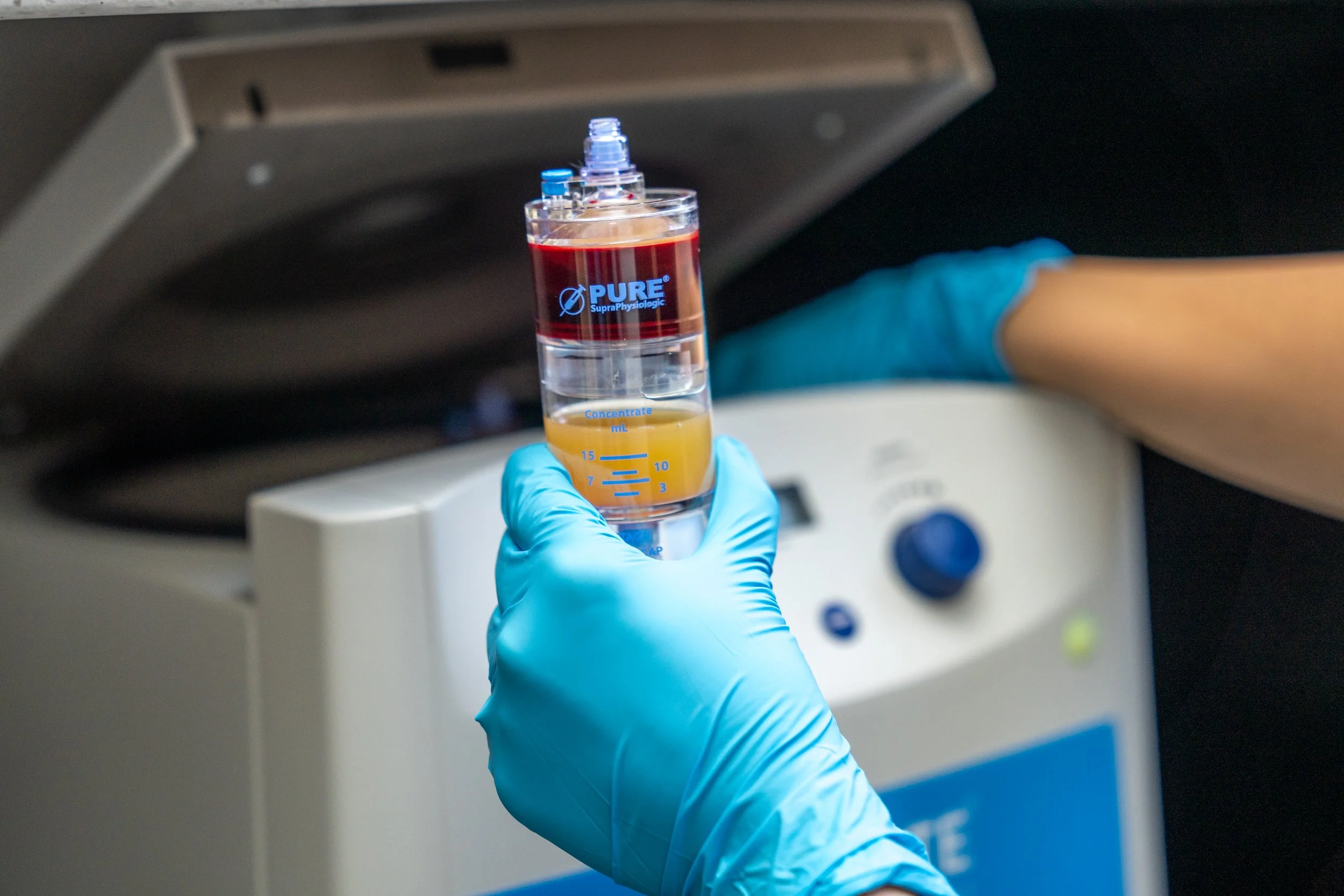
At The AIM Clinic, we provide an individualized post-treatment plan to our patients that will share anything specific to their unique needs. The following is a good general guide for all, unless otherwise specified by your provider.
BEFORE CARE
How to Prepare for Your Appointment
A little preparation can help your procedure go smoothly.
Wear loose, comfortable clothing that allows easy access to the area being treated.
Avoid NSAIDs for 3 days before treatment. This includes ibuprofen (Advil®, Motrin®), naproxen (Aleve®), meloxicam, and celecoxib.
Stay well hydrated before your appointment.
Eat normally.
Tell us if you are feeling unwell or have developed an infection, fever, or skin irritation near the treatment area.
AFTER CARE
Taking Care of Yourself Post-Treatment
You’ve completed your treatment, now what?
The period after a regenerative injection procedure is an important part of your overall treatment plan. PRP and A2M injections are designed to work gradually, ie: recovery may look different from a traditional injection (where the goal is immediate symptom relief).
Your body needs time to respond to the treatment and for the healing process to progress. In the meantime, there are several things you can do to support your recovery and avoid unnecessarily irritating the treated area.
5 Ways to Support Your Recovery After PRP or A2M Injections
1. Protect the Treated Area
Give the treated area some time to settle after your procedure.
Rest the treated area for the first 72 hours.
Gradual return to normal activity over 1-2 weeks. Light daily activities can generally be resumed as tolerated. Your specific activity restrictions may vary depending on what was treated, the type of procedure performed, and your individual treatment plan.
2. Avoid Anti-Inflammatory Medications
Avoid NSAIDs (nonsteroidal anti-inflammatory drugs)for 7 days following your procedure.
This includes medications such as:
Ibuprofen (Advil®, Motrin®)
Naproxen (Aleve®)
Meloxicam
Celecoxib
Other anti-inflammatory medications
Tylenol® (acetaminophen) may be used for discomfort as directed. Because medications can affect people differently, don't stop a medication that has been prescribed for another medical condition without first discussing it with your healthcare provider.
Why do we recommend avoiding NSAIDs? NSAIDs can affect platelet function, which is one reason many PRP protocols recommend limiting their use around treatment. However, recommendations vary between protocols, so follow the specific instructions provided by your clinician.
3. Use Heat, Not Ice
For soreness, you can use gentle heat for approximately 10 minutes, up to 3 times daily, as needed. Avoid using ice on the treated area.
4. Protect the Injection Site
Keep the injection site clean and dry after your procedure.
Showering is okay.
Avoid baths, swimming pools, and hot tubs for 72 hours.
5. Know When to Contact Us
Some soreness and temporary changes in symptoms are expected after treatment. However, contact our office if you develop:
Increasing or severe pain
Significant redness or swelling
Drainage from the injection site
Fever of 100.4°F (38°C) or higher
New numbness or weakness
Any other symptoms that concern you
For a medical emergency, call 911 or seek emergency medical care.
What’s Normal After Regenerative Injection?
It’s common to experience some temporary soreness following regenerative injections. Depending on the area treated, you may notice:
Mild to moderate soreness
Swelling or stiffness
Warmth around the treated area
Bruising
A temporary increase in your usual symptoms
These symptoms generally improve over the first several days, although everyone's response is different.
Don't Expect Overnight Results
One of the most important things to understand about regenerative injection treatment is that improvement is often gradual.
Unlike treatments designed primarily for immediate pain relief, PRP and other regenerative injection therapies are intended to support a longer-term biological response. Research on post-procedure protocols is still evolving, and recovery timelines can vary considerably depending on the condition being treated, the location, the treatment used, and the individual patient.
For that reason, don't judge the success of your treatment based on how you feel during the first few days, or even the first several weeks.
Some patients notice improvement relatively early, while others may require several weeks or months before meaningful changes become apparent. Recovery is also not always linear. You may have good days and bad days along the way.
Supporting Your Recovery
Your treatment is only one part of the recovery process. Your daily habits and rehabilitation plan also matter. Whenever appropriate for your individual treatment plan:
Stay hydrated.
Eat a balanced, protein-rich diet.
Avoid nicotine and tobacco products.
Limit alcohol.
Prioritize adequate sleep.
The goal is to gradually return to appropriate activity rather than rushing the process.
Anticipated Recovery Timeline After PRP or A2M Injection
Days 1–7: Let Things Settle
During the first week, mild soreness, stiffness, swelling, or a temporary increase in symptoms can occur. This is the time to protect the treated area and avoid strenuous or high-impact activity.
Weeks 2–12: Gradual Progress
Healing and rehabilitation continue during this period. Depending on your condition and treatment, your provider may gradually progress your exercise, strengthening, mobility work, or other rehabilitation. It's normal for symptoms to fluctuate during recovery. Progress may not happen at the same rate every day.
Around 3 Months: Assessing Progress
For many regenerative injection treatments, several months may be needed before the full response can be assessed. Your provider will consider your symptoms, function, examination findings, and overall progress rather than looking at a single day or week in isolation.
3–12 Months: Continued Progress
Some patients continue to experience gradual changes in symptoms and function over several additional months. Your timeline will depend on the condition being treated, the location of treatment, the regenerative injection used, your rehabilitation program, and your individual response.
Follow-Up Matters
Your follow-up appointment is an important part of the process. Plan to attend your follow-up 2–6 weeks after your procedure, or according to the schedule recommended by your provider.
This allows us to assess your progress and determine whether your rehabilitation or activity plan should be adjusted. In some cases, additional treatment may be considered based on your clinical response and medical necessity. If a repeat injection is performed, your recovery timeline will begin again from that procedure.
The Bottom Line
The most important thing to remember after a regenerative injection procedure is: Be patient, protect the treated area, and give your body time to respond.
Recovery from PRP and A2M treatments is a process—not a single event. Our goal is to support you throughout that process and help you safely progress back toward the activities that matter to you.
If you have questions or concerns during your recovery, please contact our office. We're here to help.

These guidelines are intended for general patient education and do not replace individualized medical advice. Your post-procedure instructions may differ based on your diagnosis, treatment area, procedure, medications, and medical history. Always follow the specific instructions provided by your AIM Clinic provider.
